
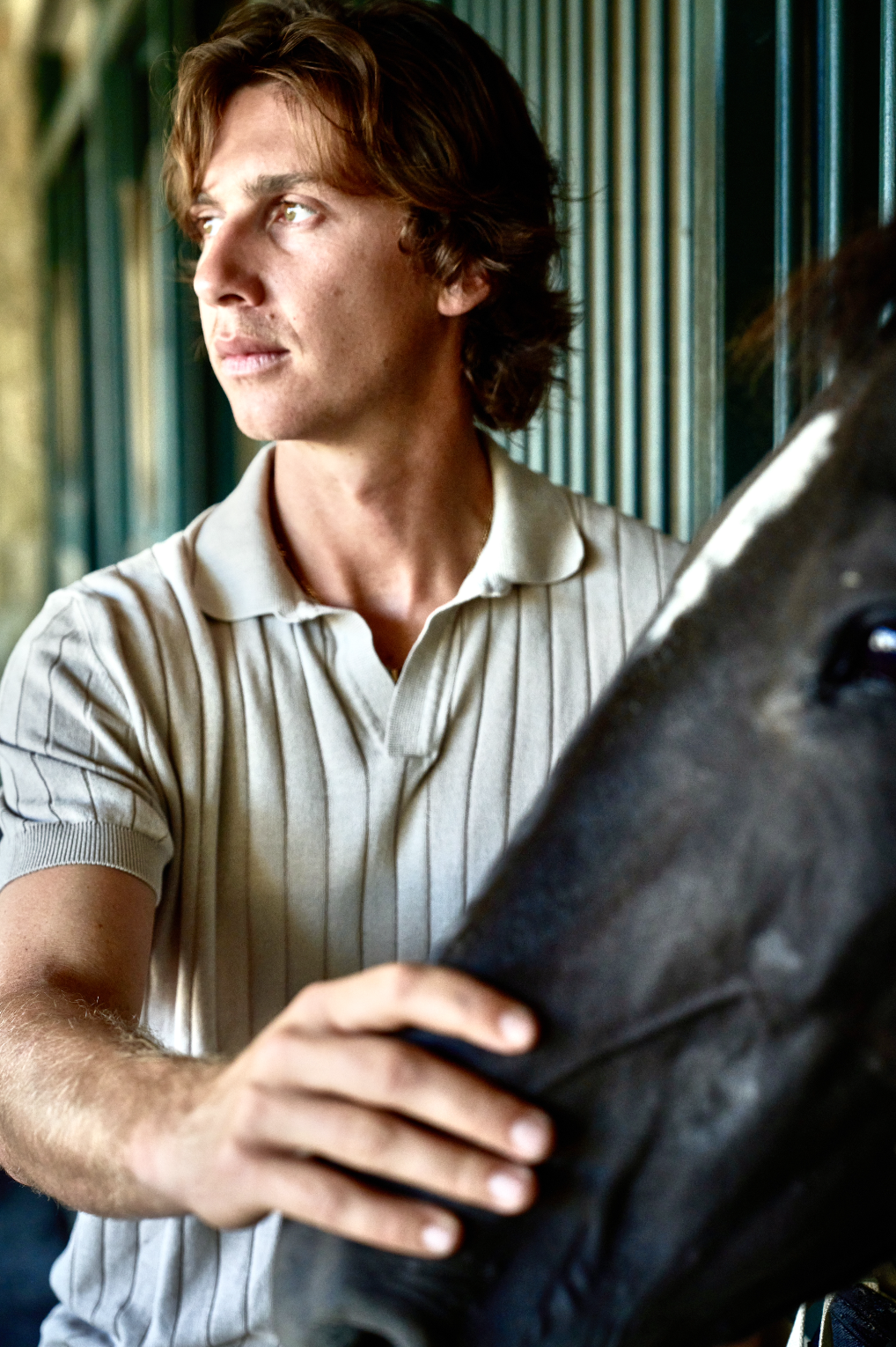
N I C O & L U C A S E S C O B A R
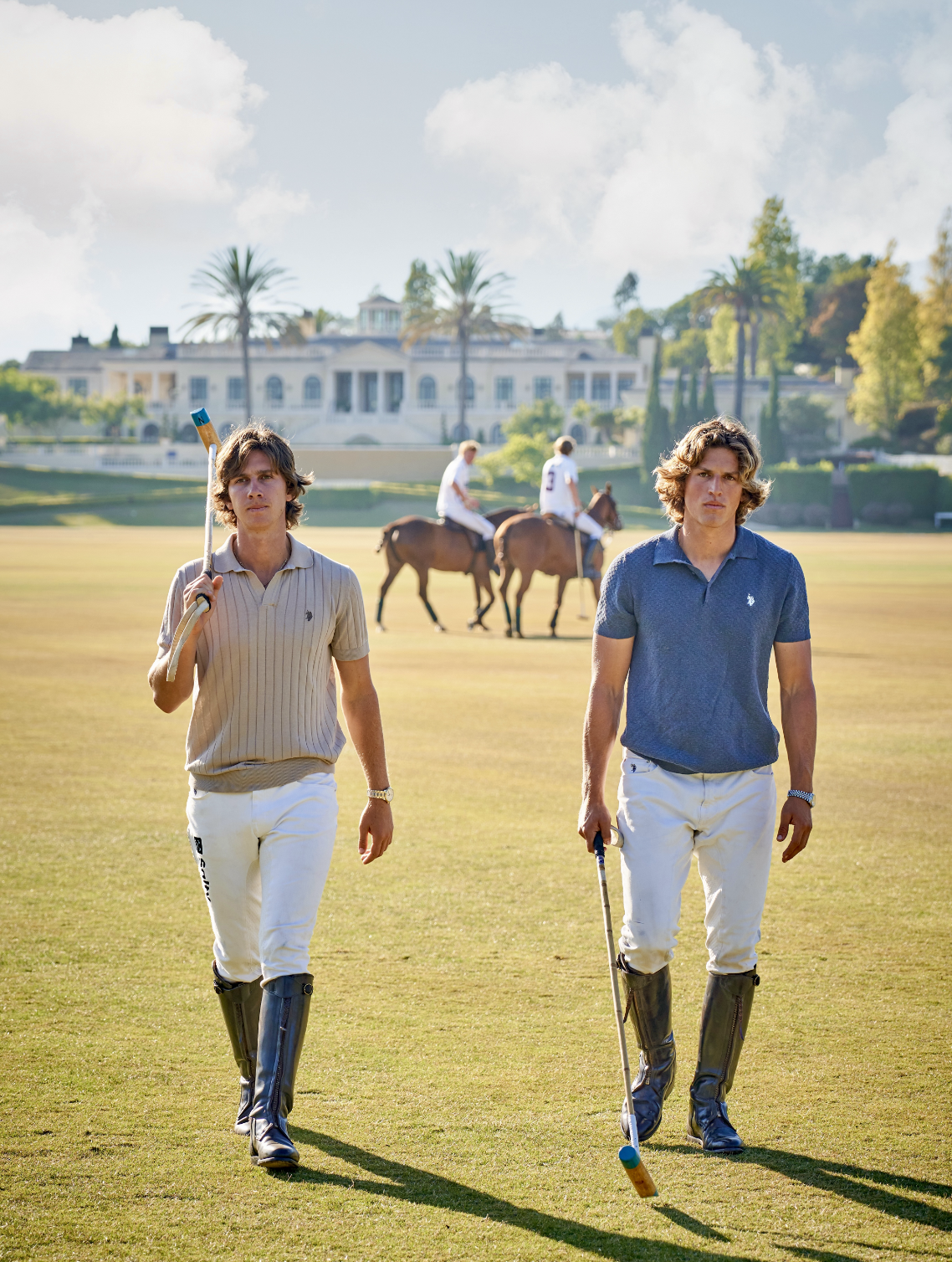
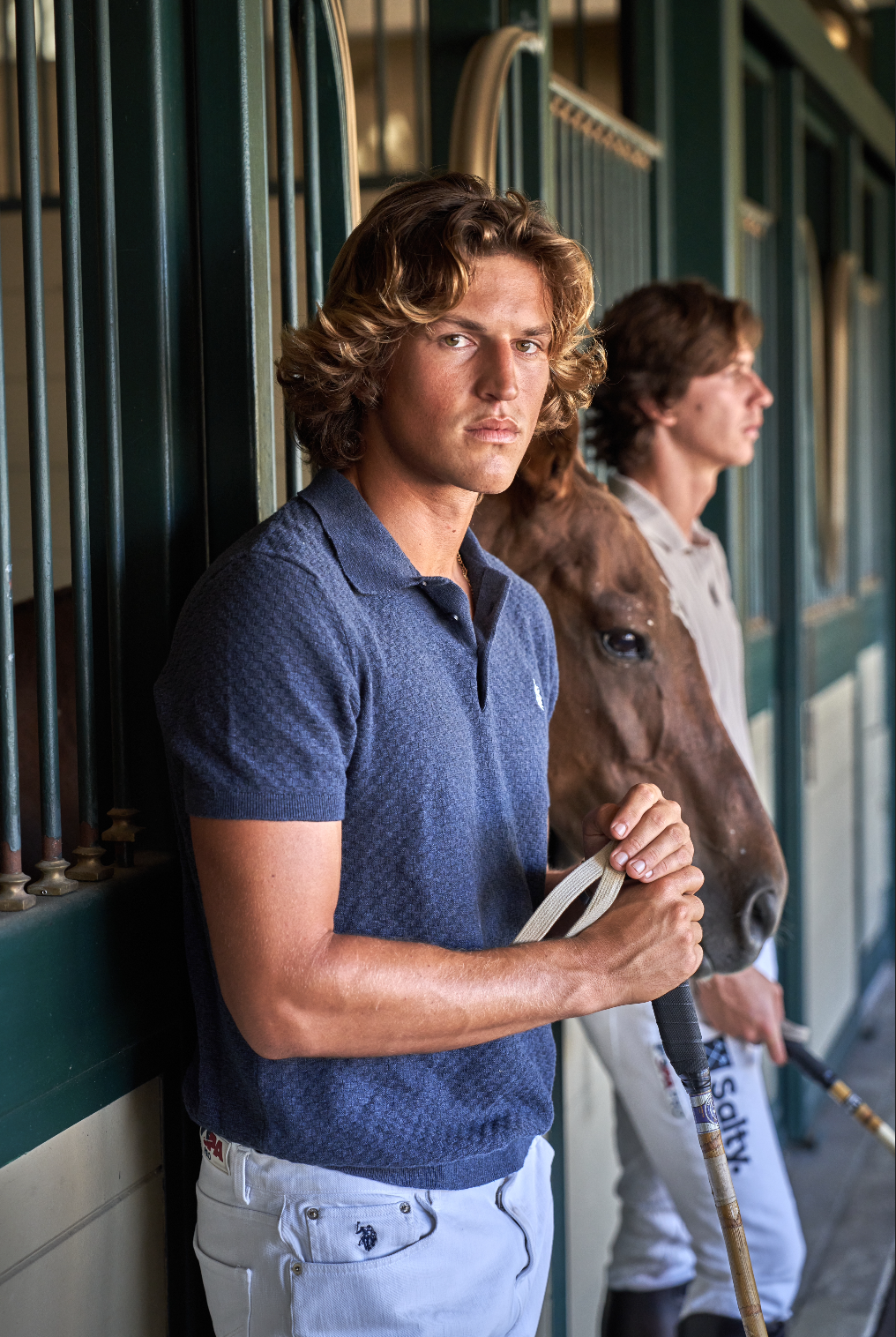
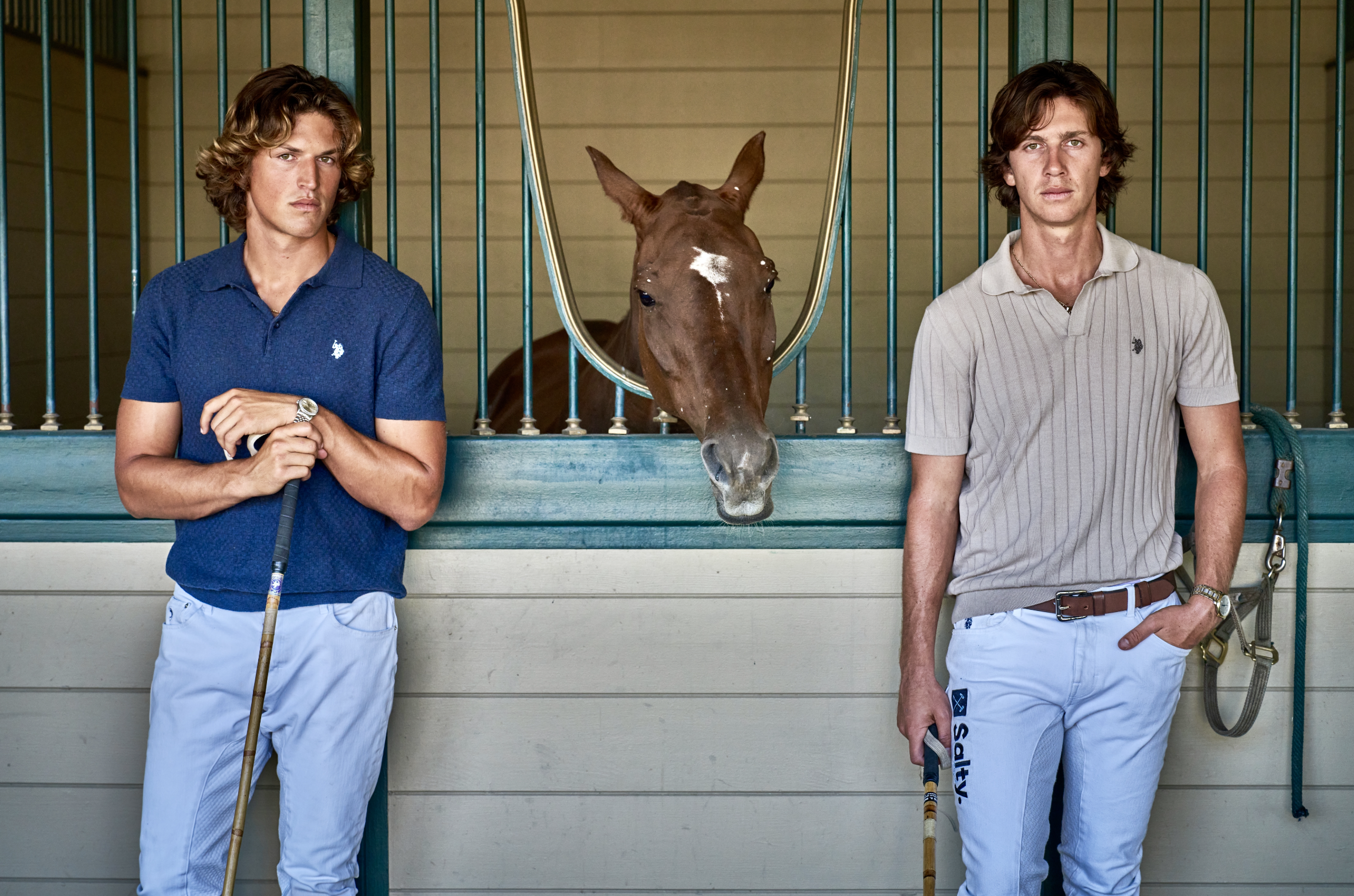
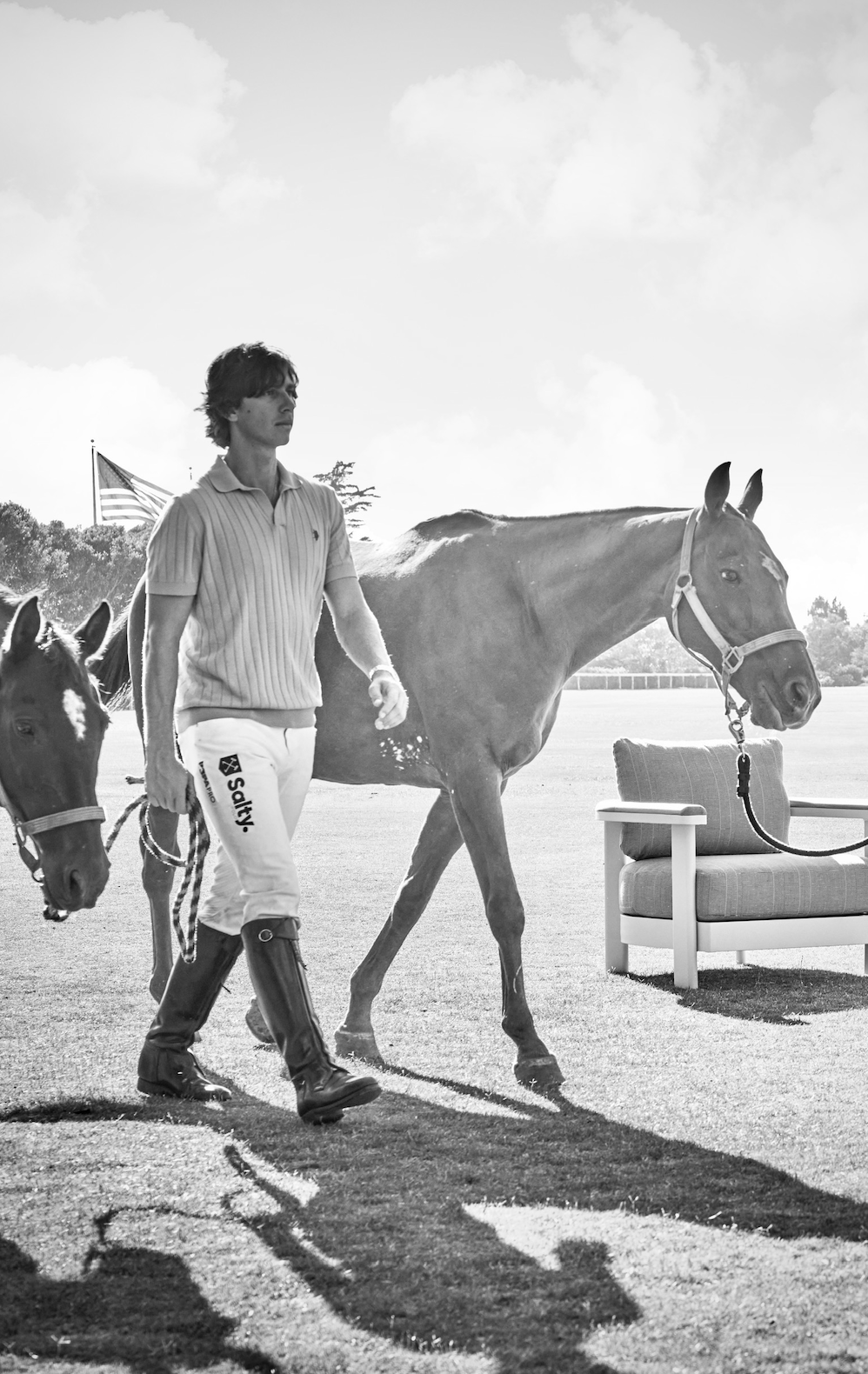
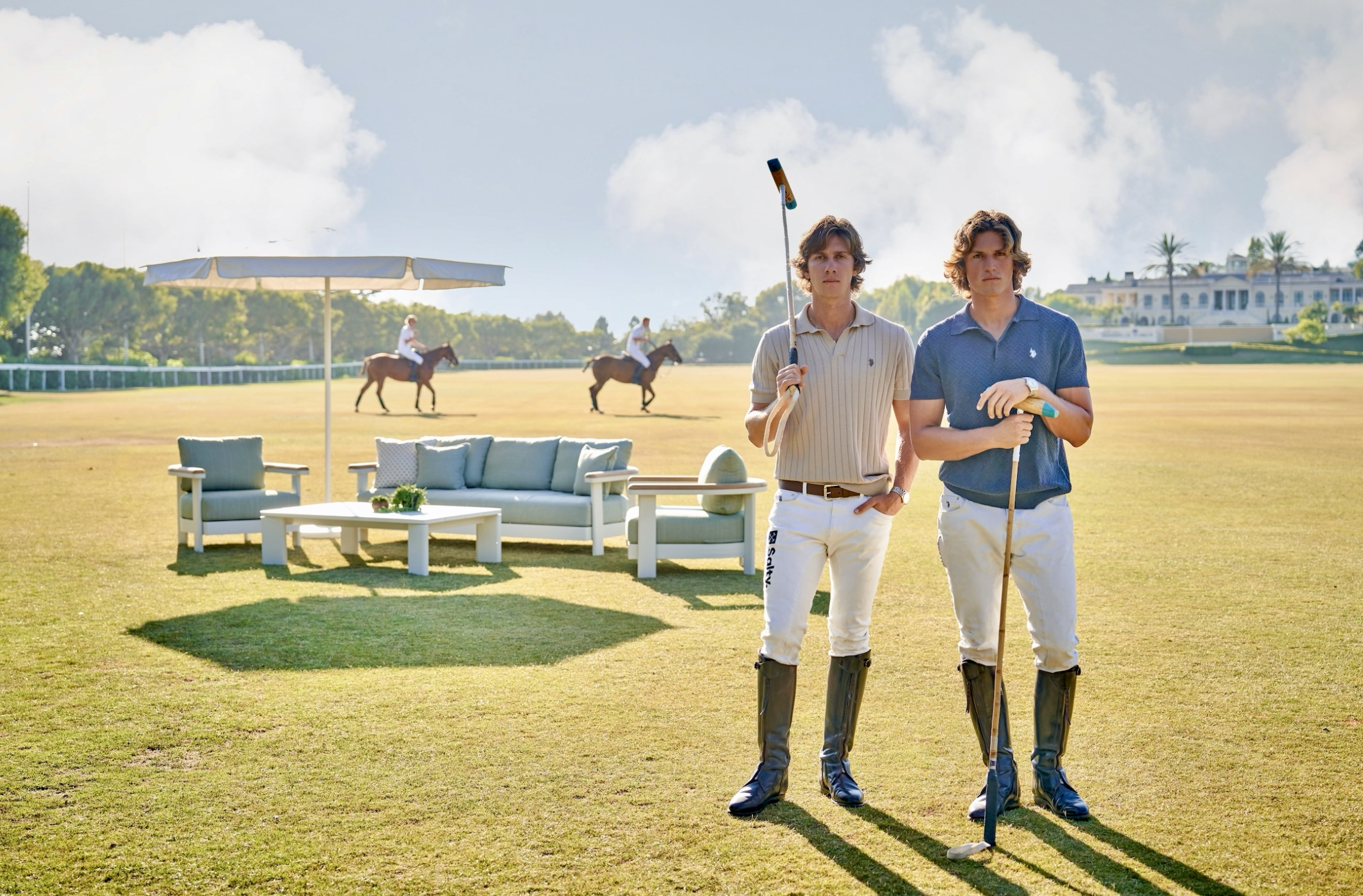
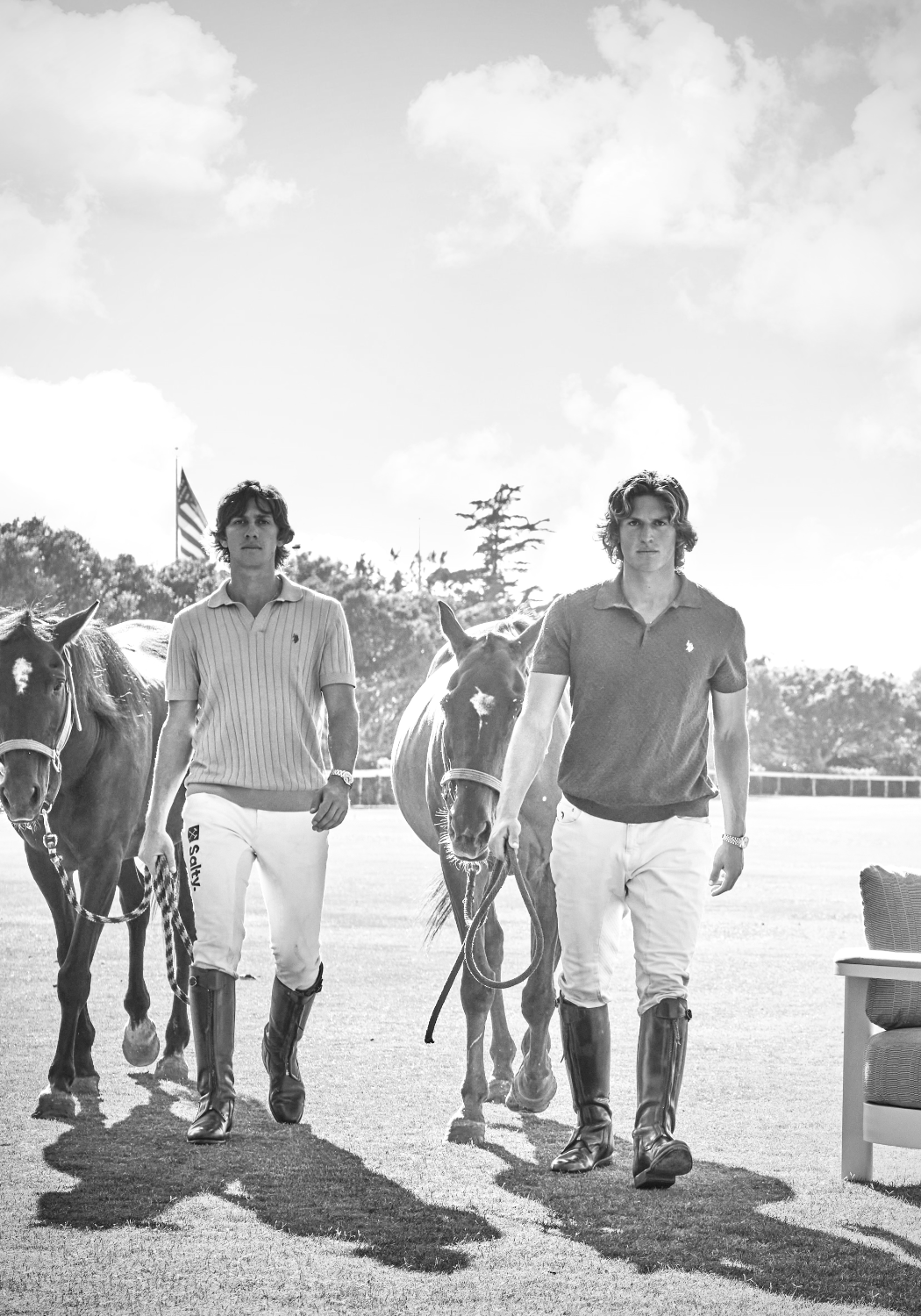
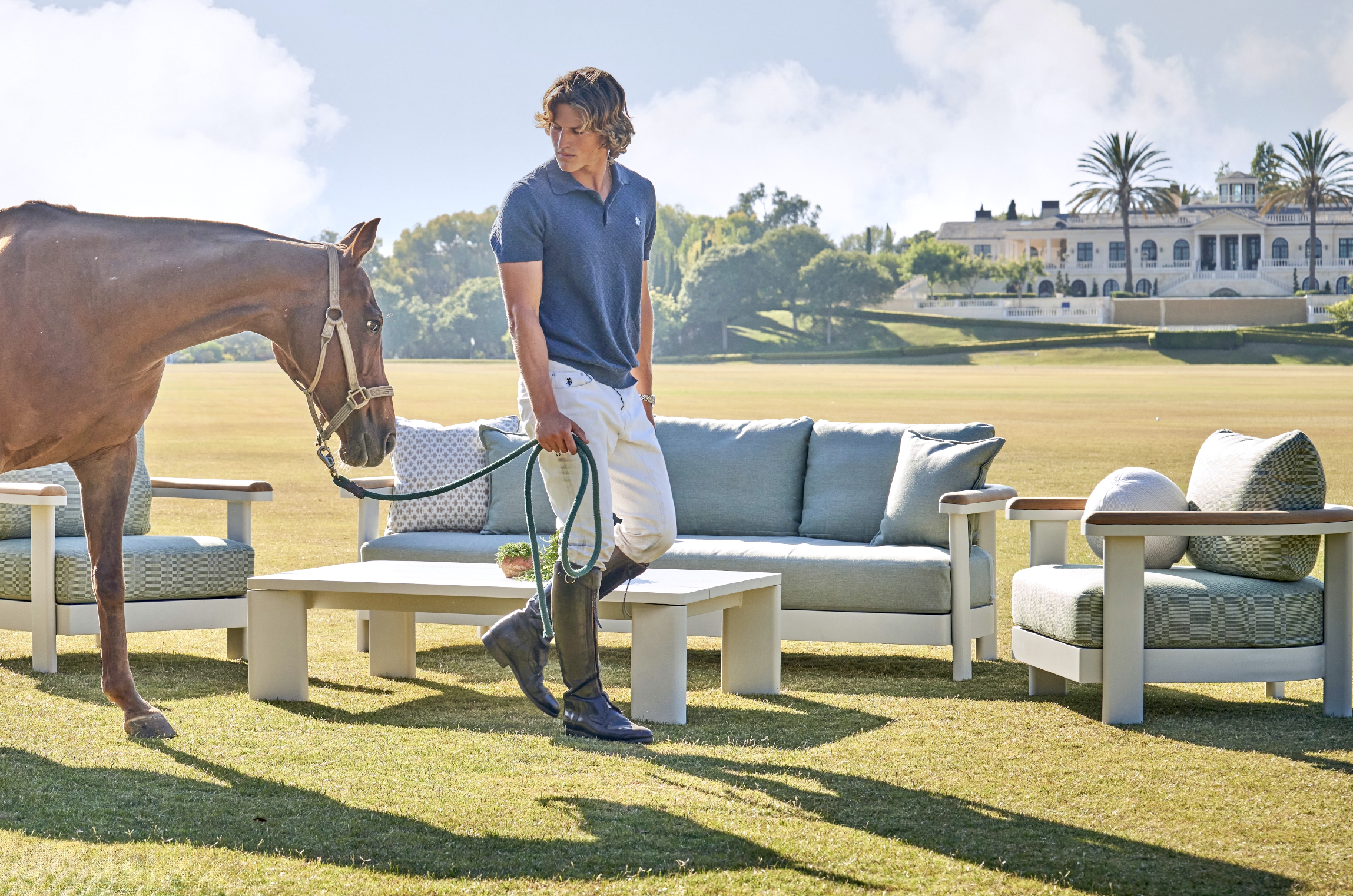
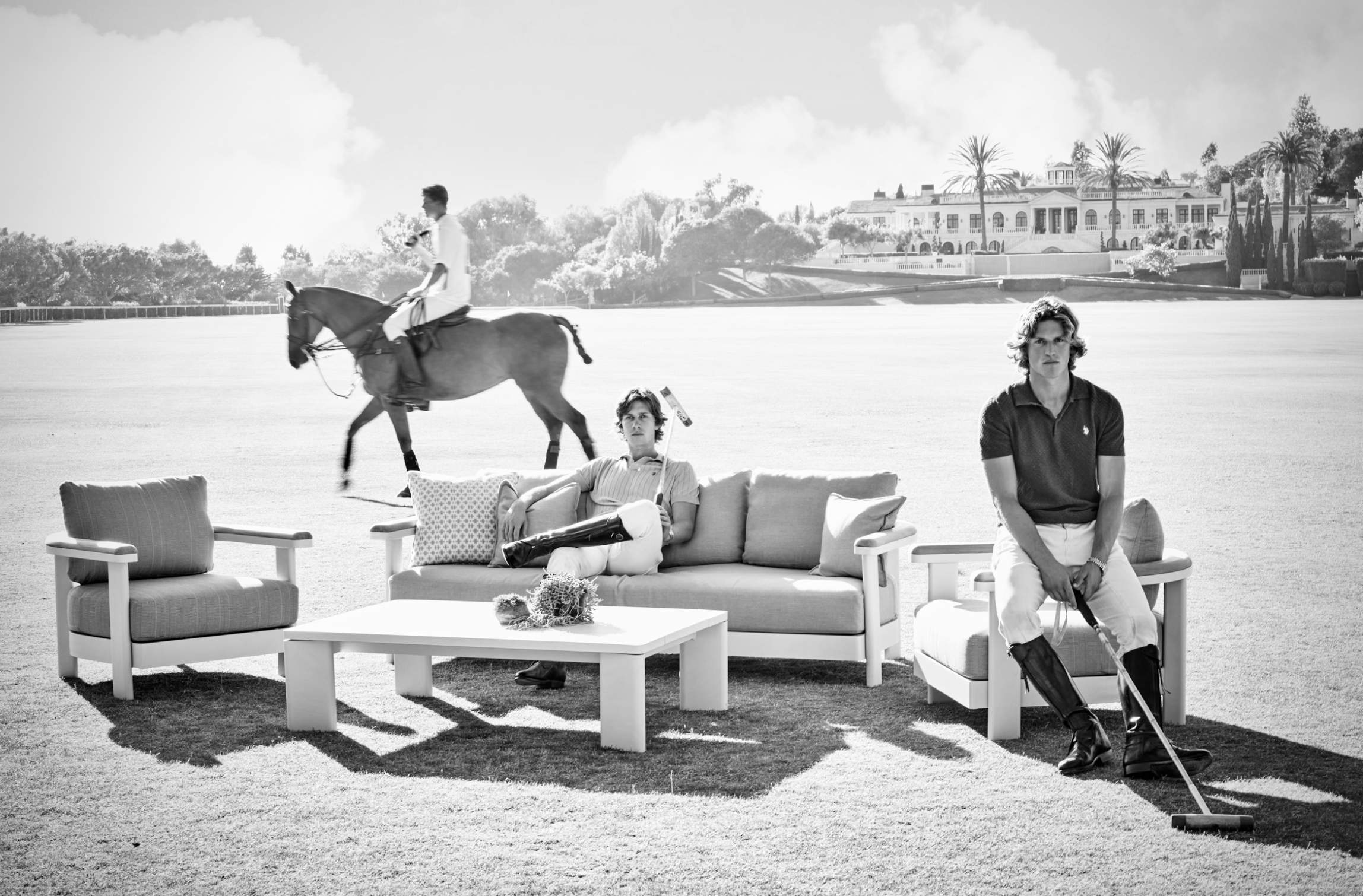
Photographed by John Russo at The Nesbitt Estate in Santa Barbara featuring Brown Jordan’s Luca line of outdoor furniture.
Q: How did you first discover polo, and what drew you to the sport?
A: Polo was part of the environment we grew up in, but what truly drew us in was the combination of horsemanship, athleticism, and strategy. It’s not just a sport, you’re constantly thinking, reacting, and connecting with your horse at full speed. That complexity and intensity hooked us early. There’s nothing else quite like it.
Q: At what age did you start playing, and who were your earliest influences or mentors?
A: We started riding and playing polo at a very young age, and our earliest and most influential mentor was our father, Luis Escobar. Watching him compete at the highest level taught us what true dedication looks like, not just in terms of winning, but in horsemanship, discipline, and respect for the sport. Being around him and learning firsthand set the foundation for how we approach polo today. Along the way, we were also fortunate to learn from many great professionals and horsemen, but our father’s influence shaped our mindset from the beginning.
Q: Was polo something your family was involved in, or did you find your way to it independently?
A: Our family was involved in polo, which gave us early exposure and opportunity, but pursuing it seriously was our own choice. Having access doesn’t automatically create passion. As we grew older, we chose to fully commit, and that decision made the sport our own.
Q: Do you remember the moment you realized polo was more than just a hobby for you?
A: There wasn’t one single moment, it happened gradually. As teenagers, when training, traveling, and competing internationally became part of everyday life, we realized polo wasn’t something we could treat casually. It became a lifestyle and a long-term commitment.
Q: How do you balance competition, travel, and personal life at a young age?
A: It’s a constant balancing act. Travel and competition take a lot of focus, but we’ve learned how important routine, recovery, and staying grounded are. Family plays a big role in keeping us centered, and when we’re home, we value time at the farm, with the horses, and with people who know us beyond polo.
Q: What have been the biggest challenges you’ve faced pursuing polo seriously?
A: One of the biggest challenges is consistency, both mentally and physically. Polo requires managing horses, performance, pressure, and expectations all at once. Learning how to stay focused through setbacks, injuries, or tough seasons has been a major part of our growth.
Q: Polo is often considered an expensive and exclusive sport—how has that reality affected your journey?
A: That reality definitely exists. Polo requires resources, especially when it comes to horses. We’re grateful for the opportunities we’ve had, but success still comes down to work ethic, horsemanship, and performance. Opportunity may open doors, but staying there requires commitment and results.
Q: Do you feel there are misconceptions about polo players that don’t reflect reality?
A: Yes. People often underestimate how demanding the sport truly is. In reality, it’s physically intense, mentally exhausting, and incredibly humbling. What most people don’t see is the daily discipline, practice, and organization it takes off the field, to perform at a high level.
Q:Is there a stereotype about polo players you’d like to break?
A: That polo players are disconnected from reality. Most players we know work extremely hard, care deeply about their horses, and live very disciplined lives. Day-to-day polo is more about responsibility and routine than glamour.
Q: Do you think polo is becoming more accessible and relatable to a younger generation?
A: Yes. Social media and international competition have helped show a more authentic side of the sport. Younger players are sharing the real process, training, travel, horses, and setbacks, which makes polo feel more relatable and less distant.
Q: Polo has a strong sense of tradition and style, how important is that to you?
A: Tradition is very important to us. Polo’s history, etiquette, and values matter, and we respect that deeply. At the same time, we believe tradition and evolution can coexist. Each generation brings its own energy while honoring what came before.
Q: How do you handle pressure, losses, or setbacks in competition?
A: We try to treat losses as learning opportunities. Pressure comes with caring about what you do, and we’ve learned to channel it rather than fight it. Every setback offers feedback if you’re willing to be honest and keep improving.
Q: What qualities do you think make a great polo player today?
A: Strong fundamentals, adaptability, horsemanship, and mental resilience. The modern game is fast and technical, so players need to think quickly, communicate well, and stay mentally sharp under pressure.
Q: What role do your horses play in your success as an athlete?
A: Our horses are everything. Polo is a team sport, and the horses are the most important teammates. Our responsibility is to develop them, protect them, and bring out their best. Our performance depends on their well-being and trust.
Q: How would you describe the bond between a polo player and his horses?
A: It’s built on trust, time, and respect. You rely on them in high-pressure moments, and they rely on you to guide and care for them. When that bond is strong, everything flows. It’s a true partnership.
For more information on Brown Jordan https://www.brownjordan.com