
Photographed by John Russo
Interview by Rexford Carrington
IM: Your gallery has evolved from a foundation in 19th- and 20th-century fine art toward a stronger contemporary focus. What is it about a work—or an artist—that makes you want to bring it into the gallery today? Is there an instinctive moment when you know something belongs in your program?
AF: As we approach our 20th year in business, I’ve been reflecting deeply on the evolution of our gallery and the path we want to take moving forward. The transition from showcasing primarily 19th- and 20th-century fine art to embracing a stronger contemporary focus has not just been about changing our inventory; it’s been about aligning with our collector’s and community’s needs.
When considering new works or artists for our program, what resonates with me most is a sense of connection—both to the work itself and to the collector’s needs.
In today’s landscape, art serves as a vital voice for social commentary and personal expression. I look for pieces that provoke thought, evoke emotion, or address cultural narratives that speak to the current societal climate. This means more than simply aesthetic appeal; it’s about the relevance and earnest quality behind the work.
There are moments when a piece instinctively captures my attention, igniting inspiration or evoking a strong emotional response. It might be the interplay of color, the concept behind the work, or even the artist’s own story and how it is expressed in that particular piece of art. It becomes clear that this piece belongs in my gallery when I can envision it resonating with our audience, sparking discussions and fostering connections.
As we transition into this next chapter, I’m committed to prioritizing inclusivity and dialogue in our programming. This means collaborating with diverse artists whose voices may have been historically marginalized, amplifying underrepresented narratives and engaging our community in meaningful ways. We will actively seek partnerships with local organizations and initiatives, creating space for art to serve as a bridge between people and cultures.
RC: You describe the gallery as a carefully curated platform for mid-career and established artists. What does “curation” mean to you beyond simply selecting beautiful or important works? Are you looking for a dialogue between artists, between generations, or even between the artwork and the space itself?
AF: I am excited about the opportunity to build on our foundation and craft a gallery experience that truly reflects our commitment to community. The vision is a dynamic space that inspires and engages, honoring our artistic past while embracing the future.
Curation, to me, is more than selecting beautiful works: it’s about crafting narratives and fostering connections. My approach emphasizes the relationships among artists, their artworks and the community context, creating a cohesive dialogue that resonates across generations and varied experiences.
We aim to nurture an inclusive environment while enriching the viewer’s experience. Through thoughtful pairings and thematic installations, we encourage meaningful conversations that invite introspection.
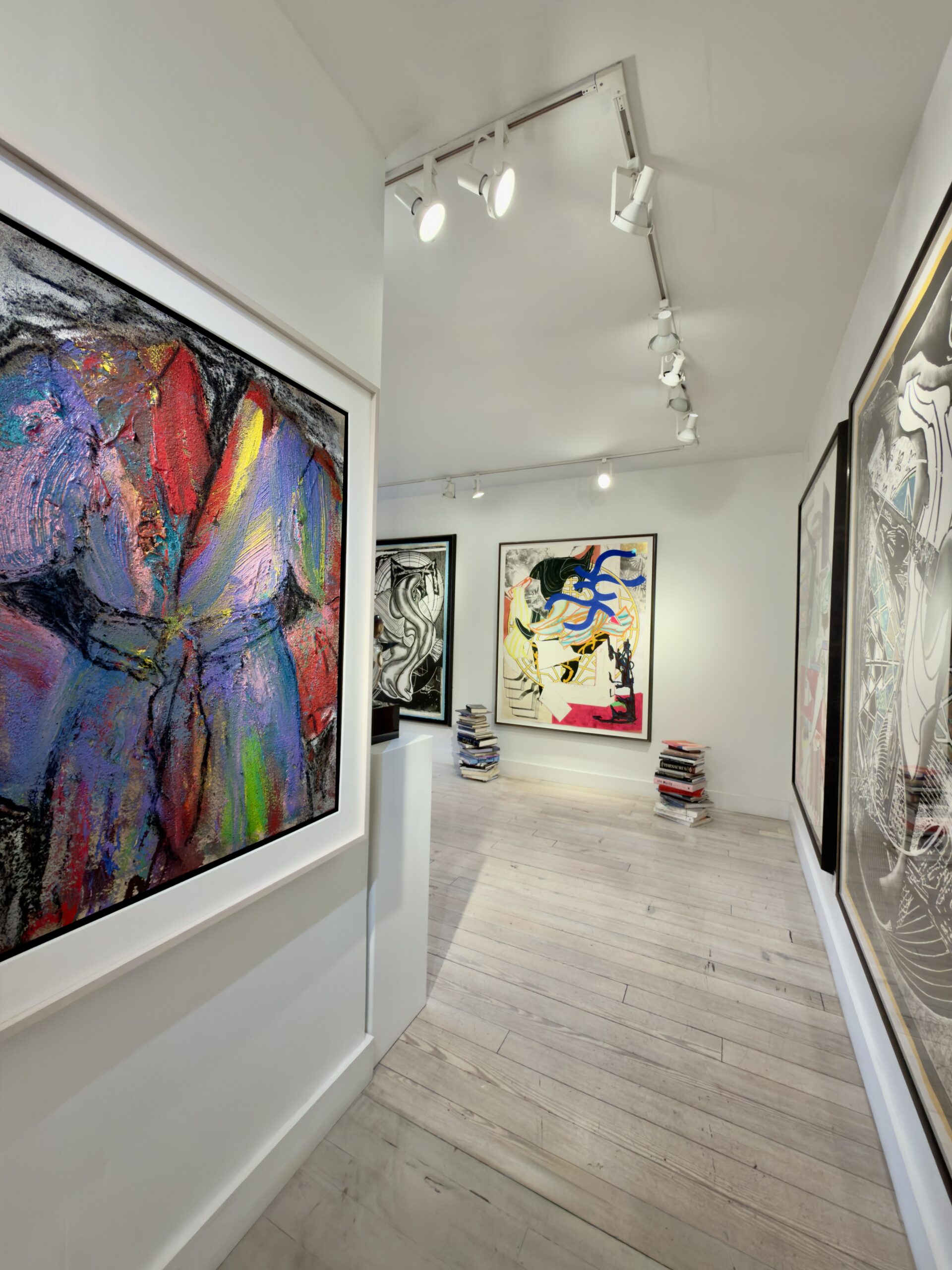
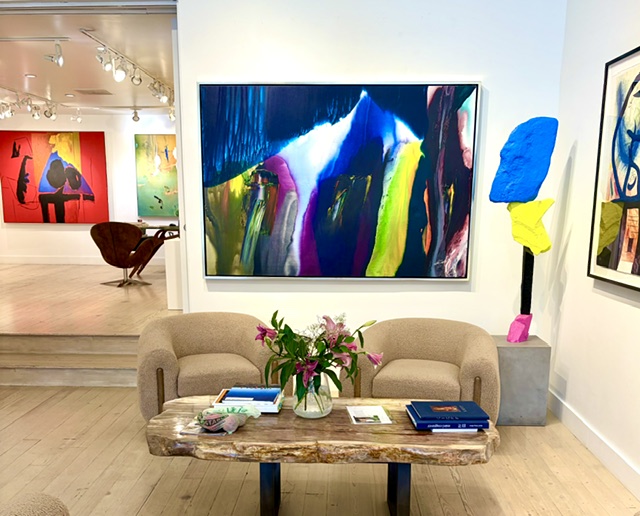
The gallery environment plays a crucial role in shaping how art is perceived. By enhancing the layout, lighting, and context, the goal to create immersive spaces that facilitate deeper engagement, particularly with contemporary works that address complex themes and social issues.
In this next chapter, I am committed to a curatorial practice that prioritizes impact over aesthetics, ensuring our gallery remains vibrant, relevant and intimately connected to our community’s evolving narrative. Together, we can honor our rich legacy while contributing to a more inclusive and transformative future for the art world. We invite you to join us in this inspiring journey.
RC: Aspen occupies a fascinating position in the art world: part cultural destination, part international collecting hub and part intimate mountain community. How does Aspen influence the way you think about the gallery and how is your program different because it is here?
AF: Aspen has undoubtedly shaped not only my vision for the gallery but also our entire program. With its rich history rooted in the Arts and Humanities and the foundational influence of visionaries like Herbert Bayer and pioneers, the town has an environment where creativity and intellectual pursuits flourish. This unique blend of cultural depth and nature creates a dynamic backdrop that profoundly influences how we approach our exhibitions and community engagement.
Being part of Aspen means we are situated in a place that is more than just a destination for art; it is a meeting point for diverse voices, ideas and aspirations. The presence of institutions like the Aspen Institute further enriches our community by fostering dialogues around important global issues, making it clear that art and culture are woven into the very fabric of Aspen. This encourages us to reflect not only on the importance of our programming but also on how we can use art as a catalyst for change and conversation.
Our program here is inherently different because it thrives under this lens of collaboration and inclusivity. We understand that Aspen attracts a diverse audience—seasoned collectors, tourists seeking cultural experiences and local residents with their own rich stories. This multifaceted community offers us a unique opportunity to curate works that resonate with various perspectives, thus creating exhibitions that invite dialogue rather than simply display.
One of the initiatives we’ve embraced in this context is our speaker series, “Conversations with Creatives.” This program exemplifies our commitment to amplifying the voices of underrepresented local artists alongside nationally acclaimed figures. By inviting artists from various backgrounds and experiences to share their stories, we create an intimate connection between them and our audience. This dialogue does not only highlight the artistry at play but also the personal journeys, struggles and triumphs that shape their work. Aspiring to build a bridge between local talent and broader artistic conversations elevates our collective experience and fosters a more inclusive art community in Aspen.
Ultimately, Aspen’s identity as a cultural destination offers an exciting challenge: to ensure our gallery remains a relevant and engaging part of this ongoing story. Our programming seeks to reflect this duality—honoring our artistic roots while fearlessly exploring contemporary themes and practices.
As we enter our 20th year, we are committed to enhancing the town’s cultural tapestry, ensuring our space serves not only as an art venue but as a vibrant hub for discussion, connection, and shared creativity.
RC: The contemporary art market has become increasingly global, digital and market-driven. At a moment when visibility, social media and auction prices can sometimes overshadow the work itself, what do you think collectors should be paying attention to now?
AF: For me it is essential to remain grounded and have a vision of what it means to collect art with a long term view. Within the relationships we’ve built over the years with our collectors—people who have become friends and integral patrons of the gallery, we have cultivated an environment that values thoughtful curation and fosters meaningful connections through art.
In a market that is increasingly global and influenced by digital platforms, it’s important for collectors to actually look at the artwork in real life and experience the impact it has on them. I believe that by diving deeper than the captivating pull of visibility, social media trends, and auction prices, collectors can unlock their true potential, crafting their own unique voices and forging transformative collecting journeys.
Secondly, I urge collectors to consider the artwork and its position in the overall landscape. Collecting is not just a matter of purchasing a piece; it involves investing in the artist’s career and their creative process at the same time contributing to the art world.
Moreover, collectors should think critically about the broader impact of their acquisitions. In a rapidly changing world, art can serve as not only decoration or an asset, but I vehicle to promote individual innovative voices and change lives.
As we move into the future, and as collectors chart their paths in this dynamic art market, I believe that the key lies in maintaining a balance between passion and market trends. Engaging with art should ultimately evoke joy, provoke thought and nourish the spirit. For me, it’s the moment of the truest connection: we can stand before a work of art and either feel a deep love for it or find that it doesn’t resonate with us.
Both at the gallery and through my art brokerage, I remain committed to providing a curated experience that supports our collectors and the artists we represent. We will continue to offer insights into the landscape of the art world, help collectors think critically about their acquisitions and ensure that every piece reflects a depth of meaning and connection.
In this upcoming chapter, I encourage our collectors to remember that we are all part of a larger artistic tapestry, where relationships, understanding and shared values are paramount. Together, we can navigate the complexities of the contemporary art market while remaining deeply rooted in the friendships we’ve cultivated and the shared love for art that binds us.
RC: You have spent more than two decades working across the art world and advising collectors. How has the relationship between artists, galleries and collectors changed during that time? Are today’s collectors approaching art differently than they did when you first began?
AF: Having spent over two decades in the art world, I’ve witnessed a significant evolution in the relationship between artists, galleries, and collectors—a transformation that reflects broader societal changes, as well as shifts in the market itself.
When I first began my journey, the art world operated largely within traditional frameworks. Relationships tended to be more hierarchical, with galleries serving as gatekeepers who primarily dictated the narratives surrounding artists and their work. Collectors, often more passive in their engagement, typically sought established names, focusing on blue-chip artists whose works were perceived as safer investments. While this model fostered certain reliability, it sometimes overshadowed emerging voices and innovative practices that deserved attention.
Today, the landscape has changed dramatically. As the contemporary art market has become more global, collectors have gained access to an unprecedented range of artists and artworks through digital platforms and social media. This has empowered collectors to take on a more active role in their relationships with artists and galleries. Instead of simply relying on gallery owners for guidance, collectors are now more informed and engaged. They research, interact with artists directly and seek out global perspectives.
This evolution has cultivated a more collaborative environment where conversations between artists, galleries and collectors flow in multiple directions. Collectors are increasingly interested in the stories behind the work and the artist’s creative process, leading them to develop personal connections that enhance their collecting experience. This shift fosters a sense of community and shared purpose, grounded in mutual respect and appreciation for the art itself.
Moreover, today’s collectors are more attuned to the ethical implications of their purchases. Many are looking for opportunities to support artists whose practices engage with social and environmental issues, reflecting a desire to make a positive impact through their collections. This added layer of consciousness is exciting; it not only elevates the conversation around art but also underscores the importance of collecting as a practice steeped in responsibility and awareness.
While evolving tastes have led collectors to embrace contemporary works and emerging artists, there remains a nuanced understanding that the art market is not just about capital appreciation or following trends. Instead, there is recognition of the art of the purchase itself—the emotional resonance, the timing in one’s life and the personal significance behind each acquisition. Each piece becomes part of a collector’s story and journey, rather than merely an investment or status symbol.
In this context, I remain optimistic about the future of these relationships, believing that the art world will continue to flourish as we collectively navigate the complexities of taste, investment and the intrinsic value of art itself. I do believe that the fundamental triangle of the Artist – Dealer – Collector that has always been there is still very relevant in todays’ world.
RC: There is a particular tension between discovery and investment in contemporary art. When you introduce a collector to an artist who may not yet have the same market recognition as a more established name, what do you hope they respond to first—the work itself, the artist’s story or the potential of the career?
AF: When introducing a collector to an artist who may not yet enjoy the same level of market recognition as more established names, my hope is that their initial response centers primarily on the work itself. The essence of a strong collection lies in the emotional resonance and aesthetic appeal of the artwork. I believe that a collector’s first impression should be rooted in their authentic reaction to the piece—its colors, textures and themes—how it speaks to them personally and how it fits within the narratives of their existing collection. Art should invoke a visceral connection and when collectors feel that spark, it often leads to deeper engagement. As the interaction develops, I hope the collector will explore the artist’s story, especially because an artist’s narrative can deeply enrich their work.
Understanding the artist’s journey, their inspirations, and the concepts they are exploring can elevate the collector’s appreciation for the piece, enriching their experience and the meaning it holds within their collection. It transforms the work from just a compelling visual into a reflection of a broader context—deeper than aesthetics alone.
Ultimately, while the work itself is undoubtedly the primary gateway to a collector’s interest, the interplay between the artwork, the artist’s story, and the potential for future growth is what cultivates a rich, multifaceted collecting experience. The aim is to foster this balance of discovery and investment. By encouraging collectors to engage with both the tangible beauty of the art and the narrative surrounding its creation, we help them build not only a collection of pieces but a collection of meaningful stories and relationships.
As we continue to navigate the contemporary art landscape, we’ll strive to champion mid -career artists and create pathways for collectors to support and connect with them. In doing so, we reinforce the importance of thoughtful, informed collecting—one that celebrates both the artistry in the moment and the promise of what lies ahead.
RC: What are you seeing in contemporary art right now that genuinely excites you? Are there particular movements, materials, ideas or emerging conversations that you believe will shape the next chapter of the art world?
AF: The art world in is evolving into a realm of emotional depth, tactile craftsmanship and community engagement.
Artists are embracing visible brushstrokes and playful distortions, reflecting a yearning for psychological honesty and human warmth. There’s a resurgence of dimensional texture and mixed media, blending painting and sculpture through heavy layering and incorporating materials like fabric and stitched components. This shift prioritizes touchable surfaces over flat digital aesthetics.
We’re also witnessing a historical revival that combines grand traditions with modern sensibilities. The focus is on affordable original art and direct purchasing, emphasizing the value of human creativity amid an AI-driven world.
In this landscape, the human hand is treasured, while digital tools serve merely as extensions of artistic expression.
Global inclusivity is on the rise, with cross-industry partnerships and gallery collaborations fostering new ( and old) talent to ensure that innovation flows freely in the art market.
This dynamic environment positions our gallery and art advisory/brokerage to work seamlessly together. I’m here for further discussions and welcome your call, whether you’re looking for blue-chip acquisitions, navigating the auction side, or simply starting your journey as a new collector.
RC: Aspen attracts an unusually sophisticated and international collecting audience, but it also has its own seasonal rhythm and social ecosystem. What are the unique challenges—and perhaps advantages—of running an art gallery in a place where art, hospitality, architecture, fashion and luxury all intersect?
AF: Operating an art gallery in Aspen comes with its own specific challenges and benefits, influenced by the town’s refined international collectors and its unique seasonal rhythm and social dynamics.
One of the primary challenges we face is navigating the transient nature of the population throughout the seasons. During peak times, such as the ski season and summer festivals, Aspen is bustling with visitors and collectors who are eager to engage with art. However, during the quieter months, we find ourselves contending with a reduced audience and fewer opportunities for direct interaction. This seasonality requires us to be strategic in our programming and outreach, ensuring that we continually offer compelling exhibitions, events and experiences that resonate with both locals and visitors alike, regardless of the time of year.
Another challenge lies in the diverse interests and expectations that come with a sophisticated collecting audience. Aspen attracts individuals from various backgrounds—art collectors, fashion enthusiasts, architects and luxury lifestyle connoisseurs—all of whom bring their unique perspectives to the table. Striking the right balance in our programming to appeal to this eclectic audience can sometimes be daunting, as we aim to cater to a wide range of tastes while maintaining our gallery’s distinct identity and mission. This requires thoughtful curation and a deep understanding of the cultural touchstones that resonate within this community.
However, these challenges also present significant advantages. The intersection of art, hospitality, architecture, fashion and luxury in Aspen creates a vibrant cultural landscape where innovation thrives. This dynamism allows us to foster a unique dialogue that enriches our exhibitions and engages our audience on multiple levels. Collaborations with local designers, architects, and hospitality leaders can lead to exciting cross-disciplinary events and partnerships that elevate the gallery’s visibility and relevance.
Moreover, the international audience in Aspen provides us with the opportunity to showcase works by contemporary artists who may otherwise not receive visibility in more traditional markets. This creates a welcoming platform for diverse voices while allowing collectors to explore new artistic perspectives that may not yet be on their radar. By thoughtfully curating exhibitions that reflect both local and global trends, we can provide collectors with unique opportunities to invest in works that resonate with their tastes and values.
Lastly, the luxury lifestyle associated with Aspen – in my opinion- can enhance our community’s appreciation for art as part of an integrated living experience. Art is often seen not just as an investment or decoration but as an essential component of the refined and thoughtful lifestyle that many aspire to in Aspen. This alignment allows us to engage potential collectors on a deeper level, highlighting the intrinsic value of art as a means of personal expression and connection to the broader cultural narrative.
While the unique challenges of running an art gallery in Aspen undoubtedly require careful navigation, they also offer us remarkable opportunities to thrive in a rich and multifaceted cultural environment.
RC: Your work extends beyond the gallery floor into art advisory, acquisitions, valuation, placement and collection management. How does advising a collector change the way you think about the gallery itself? And what have you learned about the deeply personal reasons people choose to live with art?
AF: Advising collectors extends my perspective on the gallery itself and reshapes how I approach our role within the broader art landscape. While galleries traditionally focus on the exhibition and sale of artworks, art advisory encompasses a more strategic and personalized approach to collecting. This shift demands a deeper understanding of not just the market, but also the unique preferences, aspirations and emotional connections that each collector has with art.
In my role as an art advisor, I view collecting as a profoundly intimate journey. It is a personal inspiration to elevate a collector’s own vision of “what is beauty” and bring it to the forefront of their life. As we explore together, we answer, with the client, what is meaningful and what beauty truly means.
Each client brings their distinct tastes, stories and motivations to the table, which informs how I curate their collections. This one-on-one relationship allows me to delve into the personal narratives that shape their decisions about acquiring and displaying art. I’ve learned that for many collectors, choosing to live with art goes far beyond aesthetics or investment value; it is often rooted in deeply felt connections to the themes, emotions, and experiences conveyed by the work.
Additionally, through my advisory work, I’ve come to appreciate the importance of collection management and placement. Art is not only meant to be seen; it needs to be integrated thoughtfully into the lives of those who live with it and their legacy.
The way art is displayed can significantly impact how it resonates within a space, making it imperative to consider design, context and setting. This insight emphasizes the role of the brokerage in guiding collectors in their art journeys, ensuring that we provide support not only during the acquisition process but throughout the life of the collection.
Moreover, understanding the variety of motivations behind art collecting has highlighted the responsibility we hold as advisors in and out of the gallery. We are tasked with nurturing a supportive environment that empowers collectors to explore their tastes, discover new artists and thoughtfully build collections that resonate with their identities. In this context, our advisory services become an integral extension of our gallery’s mission.
RC: After building a gallery and a point of view of your own, what do you feel is your responsibility as a gallerist today? Is it to champion artists, educate collectors, preserve art history, challenge taste—or perhaps create a space where all of those things can happen simultaneously?
AF: As a gallerist today, I believe my responsibility is multifaceted, encompassing the championing of artists, the education of collectors, the preservation of art history and the challenge of evolving taste. Each of these aspects is interconnected and it is my goal to create a space where all of them can happen simultaneously.
By showcasing diverse voices and innovative works, we provide artists with a platform to thrive. Educating collectors about the richness of 19th century to the contemporary arts and its narratives empowers them to make informed decisions, enhancing their connection to the artwork. At the same time, honoring art history and recognizing its influence on current practices grounds our program in a deeper context, fostering appreciation for the continuum of artistic expression.
Through thoughtfully curated exhibitions and engaging programs, I hope to foster dialogue and reflection, creating a vibrant community around art. Ultimately, my vision is to facilitate an environment where inspiration, discovery, and meaningful connections flourish, realizing the potential for growth and understanding that art offers to all of us. This integrated approach is not just an aspiration; it’s a commitment to nurturing a dynamic cultural landscape in which everyone can participate and be enriched.
Fo find out more about Forre Gallery follow @forrefineartcontemporary